Slash EV charging costs by 40-90% using Vehicle-to-Home (V2H) systems, which allow your EV to power your home and optimize energy usage. By charging during off-peak hours and discharging during peak demand, V2H leverages AI to maximize savings and provide backup power, reducing both energy expenses and emissions.
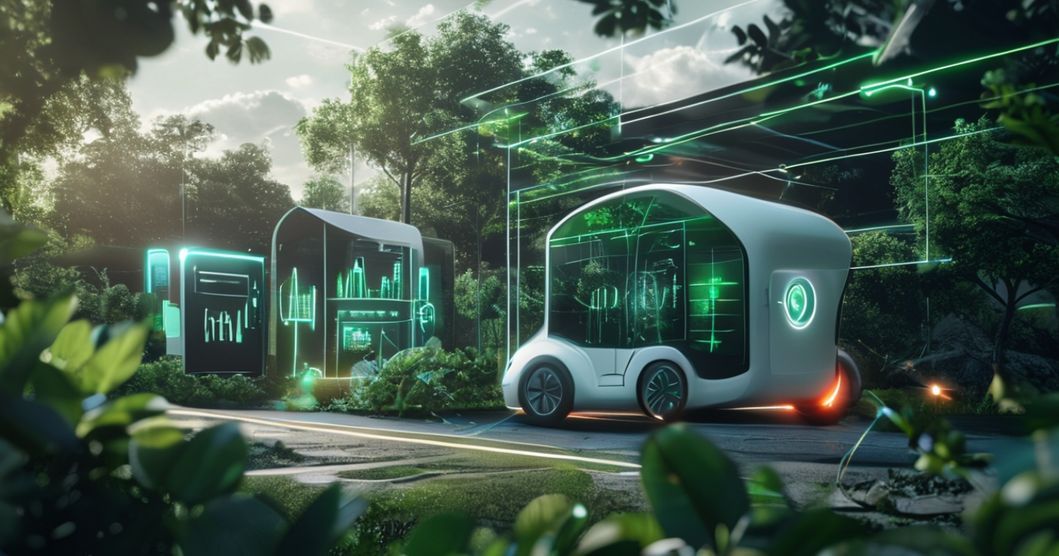
Vehicle-to-Home (V2H) Energy Systems: An Economical and Technical Guide
Why this Matters: As an Energy Efficiency Consultant and Systems Engineer, I’ve seen firsthand how innovative technologies can dramatically reduce costs and environmental impact. The integration of electric vehicles (EVs) into our home energy infrastructure, specifically through Vehicle-to-Home (V2H) systems, represents a significant leap forward. This technology not only transforms EVs from mere transportation into valuable energy assets but also offers substantial savings and a greener footprint. My experience suggests that embracing such bidirectional power flow is key to a sustainable and economically sound energy future.
Technical Analysis & ROI
Vehicle-to-Home (V2H) technology allows an EV’s battery to power a home, acting as a mobile backup power source or even a way to manage energy costs. This bi-directional charging capability means the car can draw power from the grid and, when needed, send power back to the house. The economic benefits are compelling. Studies indicate that V2H could save EV owners 40 to 90% of their charging costs over the vehicle’s lifetime. This is achieved by strategically charging the EV when electricity rates are low and then using that stored energy during peak hours when rates are high, effectively acting as a home battery. Researchers estimate that over a 15-year vehicle lifespan, the V2H approach could save owners between $2,400 to $5,600 in charging costs, representing a significant 40-90% of the total cost of ownership related to charging. Beyond direct financial savings, V2H also contributes to reducing greenhouse gas emissions dramatically by optimizing energy usage and potentially integrating with renewable energy sources.
AI & Future Outlook (2026)
The future of V2H is intrinsically linked with advancements in Artificial Intelligence (AI) and smart grid technologies. AI algorithms can optimize V2H operations by predicting energy prices, weather patterns (for solar generation), and household consumption needs. This allows for automated charging and discharging cycles that maximize savings and grid stability. As of 2026, we are seeing increased integration of EVs into home energy management systems, with AI acting as the central orchestrator. This intelligent management ensures that the EV battery is not only used for backup power during outages but also actively participates in demand response programs, further enhancing its economic value and contributing to a more resilient and efficient energy ecosystem.
| Feature | Traditional Wasteful Way | Smart Sustainable Way (V2H) |
|---|---|---|
| Energy Source During Outage | Fossil fuel generators (noisy, polluting, expensive fuel) | EV battery (clean, quiet, already owned asset) |
| Charging Cost Management | Charging at any time, often during peak, expensive hours | Smart charging during off-peak hours, utilizing stored energy during peak hours for significant savings. 40-90% savings potential. |
| Grid Interaction | Passive consumer of electricity | Active participant, providing grid services, reducing peak demand |
| Environmental Impact | Higher carbon footprint from generation and generator use | Reduced emissions through optimized charging and potential integration with renewables |
| Asset Utilization | Vehicle used solely for transportation | Vehicle serves as transportation and a distributed energy resource |
Frequently Asked Questions
A: Studies suggest significant savings, ranging from 40% to 90% of your charging costs over the vehicle’s lifetime. This is achieved by smart charging during off-peak hours and using that stored energy during peak demand periods when electricity is most expensive.
A: You will need an EV that supports V2H functionality, a compatible bidirectional charger, and potentially a home energy management system or transfer switch. The specific setup can vary by manufacturer and installer, but the core components enable power to flow between the vehicle and your home.
A: Not all EVs are equipped with V2H capabilities. This is a feature that needs to be built into the vehicle’s hardware and software. As of 2026, a growing number of new EV models are being released with this functionality, and manufacturers are expanding their offerings. It’s important to check the specifications of your particular EV model or consult with your dealership.
Conclusion
The adoption of Vehicle-to-Home (V2H) technology represents a pivotal moment in energy management. From both an economic and technical standpoint, it offers a clear path to reduced energy expenses and a more sustainable lifestyle. The ability to turn your EV into a mobile power plant that can save you money and provide critical backup power makes it a highly attractive investment. While there is an initial setup cost for the bidirectional charger and ensuring your EV is V2H enabled, the long-term savings and environmental benefits strongly suggest that V2H systems are not just a futuristic concept but a practical and financially sound decision for homeowners looking to optimize their energy consumption and contribute to a greener planet.
References
Data cited from:
TechXplore,
CarBuzz,
LinkedIn,
Interesting Engineering,
Anthropocene Magazine.
Report Inaccuracy
We value accuracy. If you find any inaccurate information, please let us know.


