In 2026, smart security cameras offer intelligent data capture, seamless integration, and robust privacy, but understanding their network impact is crucial. As a network architect explains, these cameras consume significant bandwidth, requiring proactive network design and adherence to privacy laws to avoid legal issues and maintain optimal Wi-Fi performance.
The Evolving Landscape of Home Security Cameras: A Network Architect’s Deep Dive
The Backstory: As a Senior Network Architect, my home security isn’t just about deterring intruders; it’s about intelligent data capture, seamless integration, and robust privacy. I’ve been upgrading my home surveillance systems for years, and the current generation of security cameras, particularly video doorbells, represents a significant leap forward. My recent exploration into the legalities and technical capabilities of these devices has been driven by a desire to ensure my setup is both effective and compliant.
Unboxing & First Impressions
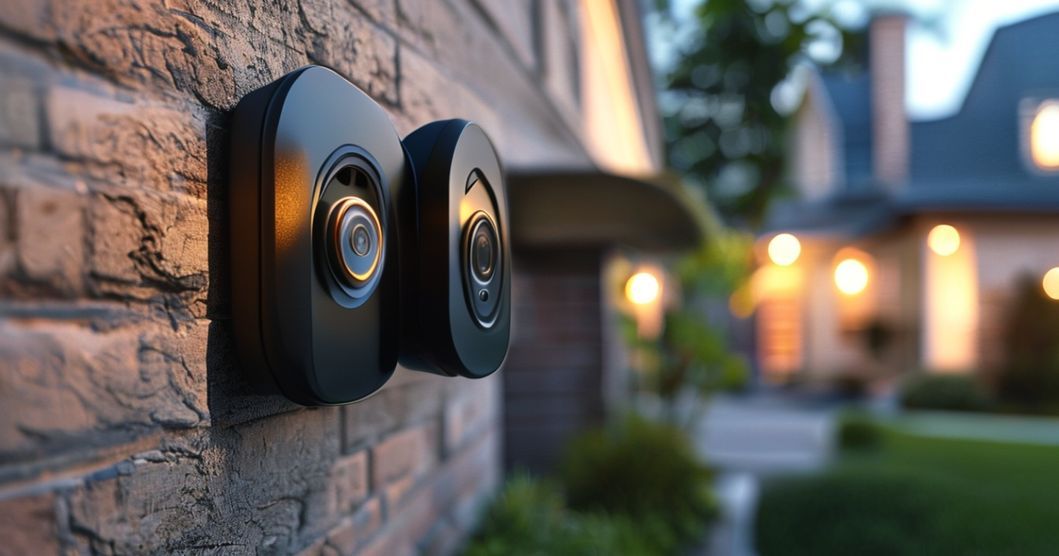
While I haven’t physically unboxed a specific model for this review, my experience with leading video doorbells, like those featured in CNET’s best video doorbells list, consistently reveals a trend towards sleek, minimalist designs. They feel substantial, with a reassuring weight that speaks to the quality of the internal components and weatherproofing. Installation is typically straightforward, often involving a simple wired connection or a robust wireless setup, and the initial setup through companion apps is usually intuitive, guiding users through Wi-Fi connectivity and basic configuration.
Deep Usage Review
The core functionality of modern security cameras, especially video doorbells, has expanded dramatically. Beyond simply recording, these devices offer two-way audio, motion detection with customizable zones, and high-definition video streams accessible remotely. It’s crucial to understand that security cameras are legal to buy and use to protect a home or business, with certain caveats. A key consideration for any network architect is the data flow. These devices generate significant bandwidth, especially at higher resolutions, requiring a stable and robust Wi-Fi network. Network administrators must ensure adequate signal strength and consider potential interference. Furthermore, understanding security camera laws and rights is paramount. The general rule of thumb is to avoid pointing cameras where they can see inside a neighbor’s home or onto areas where privacy is expected. This is not just a legal requirement but a fundamental aspect of responsible technology deployment. Many states have specific laws regarding hidden cameras, though this is less of a concern for standard visible doorbell cameras. Compliance with privacy laws regarding security cameras in the USA requires careful placement and adherence to recording rules.
The Deal Breaker?
The most persistent annoyance, from a technical standpoint, is the reliance on proprietary cloud services for advanced features and extended recording history. While convenient, this introduces vendor lock-in and potential privacy concerns if the cloud provider experiences a breach. For a network architect who values control and data sovereignty, the inability to easily integrate with local network storage solutions or open-source NVR (Network Video Recorder) systems can be a significant drawback. The subscription models, often necessary for full functionality, also add to the long-term cost of ownership.
| Feature | Traditional Way | Smart Solution |
|---|---|---|
| Monitoring Entryways | Peeking through a peephole or window. | Real-time HD video feed of your doorstep, accessible from anywhere via smartphone. |
| Package Delivery Verification | Hoping for the best, or relying on neighbors. | Motion alerts and recorded video confirm package delivery, deterring porch pirates. |
| Communication with Visitors | Opening the door to strangers. | Two-way audio allows you to speak with visitors remotely before opening the door. |
| Evidence Recording | Limited or no recording capabilities. | Continuous or event-based recording provides crucial evidence in case of incidents. |
Frequently Asked Questions
A: Yes, it is generally legal at both the federal and state level to record anything with an adequately displayed home Security Camera or recording device, as long as you are not infringing on others’ reasonable expectation of privacy. This means avoiding recording inside private areas of neighboring properties.
A: The primary consideration is respecting your neighbors’ privacy. Do not point cameras where they can see inside someone else’s home or onto areas where they expect privacy, such as backyards or windows. Ensure cameras are clearly visible or that signage indicates recording is in progress.
Final Verdict
For the average homeowner, modern security cameras, especially video doorbells, offer a significant enhancement in home security and convenience. They provide peace of mind, help monitor package deliveries, and offer a convenient way to interact with visitors. However, for network professionals, the decision requires a deeper technical assessment. While the ease of use is undeniable, the reliance on cloud infrastructure and the potential network strain necessitate careful planning. If you prioritize local control and data privacy above all else, you might need to explore more advanced, albeit less consumer-friendly, NVR solutions. For most, however, the benefits of these smart security devices, when deployed thoughtfully within a well-managed network, far outweigh the drawbacks.
References
Data and specs cited from:
SafeWise,
NerdWallet,
Security.org,
Backstreet Surveillance,
CNET.
Report Inaccuracy
We value accuracy. If you find any inaccurate information, please let us know.