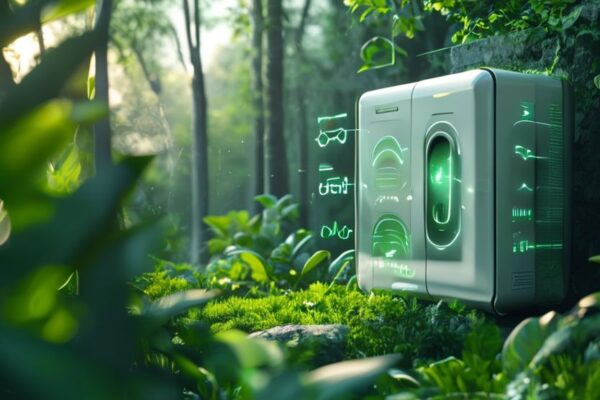
Yes, smart plugs can slash your electricity bill and help you go green by eliminating phantom power drain from devices. They allow you to schedule or remotely control power, ensuring devices are only powered when needed, leading to significant savings. Future smart plugs will integrate AI for automated energy optimization based on usage patterns.

Smart Plugs: Your Economical and Technical Guide to Energy Savings
Why this Matters: As an Energy Efficiency Consultant and Expert Systems Engineer, I’ve seen firsthand how seemingly small energy drains can add up to significant costs and environmental impact. Phantom power, also known as vampire or standby power, is a prime culprit. Devices left plugged in, even when turned off, continue to draw electricity. This is not only wasteful but also directly impacts your utility bills. My experience shows that addressing these hidden drains is a straightforward yet highly effective way to boost home or business efficiency. By understanding the technology and the economic benefits, we can make informed decisions that save money and reduce our carbon footprint.
Technical Analysis & ROI
Smart plugs are designed to combat this energy waste by cutting off standby power to devices when they are not in use. This directly lowers overall electricity consumption. While the smart plug itself consumes a small amount of power for its communication capabilities, this is typically far less than the cumulative phantom load of multiple devices. The core benefit lies in their ability to schedule power delivery or to be controlled remotely, ensuring that devices are only powered when truly needed. This simple mechanism can lead to substantial savings over time. For instance, smart plugs help reduce energy waste by cutting off standby power, lowering overall electricity consumption. The potential for savings is significant, and it will save you money and it’ll save emissions in the long run, as noted by AP News. The exact amount saved depends on the number of devices, their standby power draw, and how effectively the smart plugs are utilized.
AI & Future Outlook (2026)
The evolution of smart plugs is increasingly incorporating advanced technologies. The future, particularly by 2026, will see a greater integration of AI and machine learning in smart plugs. These intelligent systems will enable them to save energy automatically based on usage patterns and environmental conditions, optimizing power delivery without user intervention. This means smarter scheduling, predictive power management, and even integration with broader smart home energy management systems for even greater efficiency gains.
| Feature | Traditional Wasteful Way | Smart Sustainable Way |
|---|---|---|
| Standby Power Consumption | Devices left plugged in continuously draw power, contributing to “phantom load.” | Smart plugs can be programmed to cut power to devices when not in use, eliminating standby consumption. |
| Energy Management | Manual unplugging is required to stop phantom load. | Automated scheduling, remote control, and potential AI-driven optimization manage energy usage. |
| Cost Savings | Ongoing, unmanaged electricity costs from phantom load. | Reduced electricity bills through elimination of wasted standby power. |
| Environmental Impact | Increased carbon emissions due to unnecessary energy consumption. | Lowered carbon footprint through reduced energy demand. |
Frequently Asked Questions
A: The savings vary depending on your specific devices and usage habits. However, by cutting off phantom power, you can expect to see a reduction in your electricity bill. Some sources suggest that smart plugs can help lower overall electricity consumption, and the potential for savings is significant, especially when applied to multiple devices. It’s important to consider that the smart plug itself uses a small amount of power for communication, but this is generally much less than the energy saved by turning off devices. As noted on Reddit, you’ll need to figure out if the plug’s consumption is more than the AC it’s controlling.
A: Generally, smart plugs are very user-friendly. Most require you to plug them into a wall outlet, plug your device into the smart plug, and then connect the smart plug to your home’s Wi-Fi network via a smartphone app. The app allows you to set schedules, monitor energy usage (on some models), and control devices remotely. For most users, setup takes only a few minutes.
Conclusion
From both an economic and technical standpoint, smart plugs represent a wise investment for anyone looking to reduce their energy consumption and utility bills. They are a simple yet powerful tool for combating phantom power, and their increasing integration with AI promises even greater efficiency in the future. While the initial cost of smart plugs might seem like an expense, the long-term savings on electricity and the positive environmental impact make them a worthwhile addition to any energy-conscious household or business. The question isn’t whether they save money, but rather how much you can save by implementing them effectively.
References
Data cited from:
TheSmartHome.blog,
Hubitat.com,
AP News,
Reddit.
Report Inaccuracy
We value accuracy. If you find any inaccurate information, please let us know.