Smart irrigation systems offer a data-driven approach to lawn care, optimizing water usage and promoting efficiency. By integrating smart controllers, soil sensors, and weather data via Wi-Fi, these systems enable demand-based irrigation, reducing water consumption by up to 50%. AI-powered analysis further refines watering strategies, preventing waste and promoting healthier landscapes.
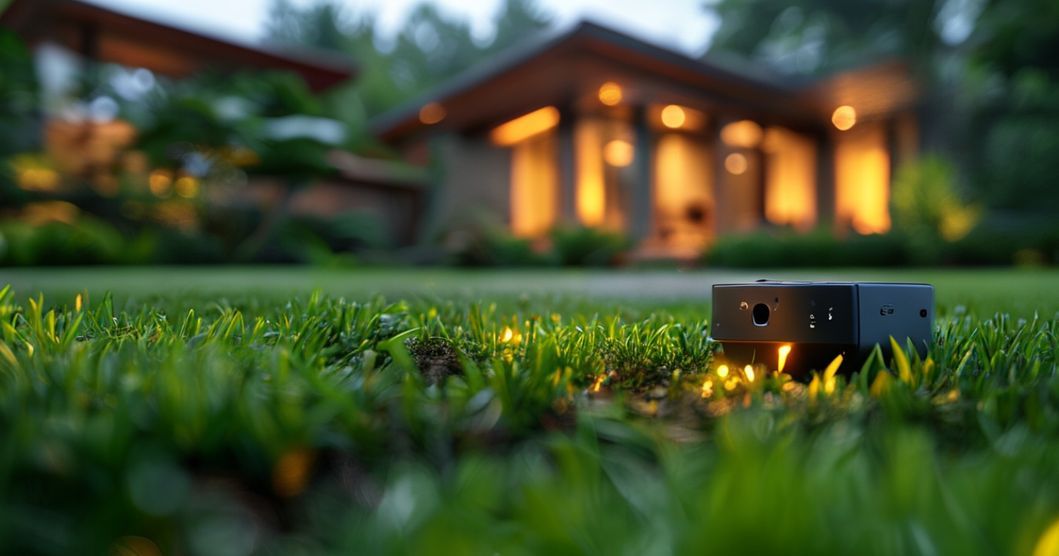
The Smart Irrigation Revolution: A Network Architect’s Deep Dive
The Backstory: As a network architect, my world revolves around efficiency, data flow, and optimizing systems. So, when I started looking at my own lawn, I saw it not just as a patch of grass, but as a network of interconnected biological elements requiring precise resource allocation. Traditional sprinklers felt like a brute-force approach, akin to flooding a server room with coolant. I needed a smarter, more data-driven solution, and that’s what led me to explore the burgeoning field of Smart Irrigation.
Unboxing & First Impressions
While there isn’t a single “product” to unbox in the traditional sense for smart irrigation (it’s more of a system integration), the components themselves – smart controllers, soil moisture sensors, weather stations – often arrive with a sleek, modern aesthetic. The build quality is generally robust, with weather-resistant casings for outdoor units. The initial setup, especially for the controllers, feels akin to configuring a new network device: connecting to Wi-Fi, downloading an app, and creating an account. The tactile feedback is minimal, as most interaction is through a digital interface, but the promise of intelligent automation is palpable.
Deep Usage Review
From a network architect’s perspective, smart irrigation systems are fascinating case studies in distributed sensing and intelligent control. The core concept is to move away from scheduled watering towards demand-based irrigation, significantly reducing water usage. These systems leverage a variety of data inputs. For instance, smart lawn watering systems can reduce water usage by up to 50% compared to traditional methods in agriculture, and this efficiency translates directly to residential use. The system’s “brain” is the smart controller, which connects to your home’s Wi-Fi network, enabling remote access and updates. This connectivity is crucial, allowing it to pull real-time weather data from online services. Many systems also integrate with flow sensors, which can automatically shut down the system during leaks, preventing water waste and potential damage. Soil moisture sensors provide granular data about the ground’s hydration levels, ensuring that water is applied only when and where it’s needed. This is a significant shift from the “set it and forget it” mentality of older systems. The integration of AI is also becoming more prominent, with AI lawn care tools revolutionizing how we approach landscape maintenance. The underlying network protocols are typically standard Wi-Fi, making integration with existing home networks straightforward. The data collected – watering schedules, soil moisture readings, weather patterns – can be analyzed to further optimize watering strategies, much like analyzing network traffic for performance bottlenecks. The shift away from inefficient methods like flood irrigation is gaining momentum, with smart systems making farms work smarter, not harder, and this principle is directly applicable to our lawns.
The Deal Breaker?
The most significant hurdle, and arguably the “deal breaker” for some, is the initial investment and the complexity of setup for a truly comprehensive system. While basic smart controllers are relatively affordable, integrating multiple soil moisture sensors, a dedicated weather station, and ensuring proper zoning can become a substantial project. For those not comfortable with basic network configuration or app-based management, the learning curve can be steep. Furthermore, reliance on a stable Wi-Fi connection means that network outages can temporarily cripple the system’s intelligent features, reverting it to a more basic, scheduled operation. This dependency on connectivity is a critical consideration for any network-centric solution.
| Feature | Traditional Way | Smart Solution (This Tech) |
|---|---|---|
| Watering Schedule | Fixed, time-based (e.g., every day at 6 AM) | Dynamic, based on weather forecasts, soil moisture, and plant needs |
| Water Usage | Often excessive, leading to waste | Significantly reduced, with potential savings up to 50% |
| Leak Detection | Manual discovery (e.g., soggy lawn, high water bill) | Automatic shutdown via flow sensors |
| Data Input | None | Weather data, soil moisture, user-defined plant types |
| Control | Physical dial or buttons on the controller | Smartphone app, web interface, voice commands |
Frequently Asked Questions
A: Studies and real-world implementations show that smart irrigation systems can reduce water usage by up to 50% compared to traditional irrigation methods. This is achieved by watering only when necessary, based on environmental conditions and soil moisture levels.
A: The complexity of installation varies. Replacing an existing controller with a smart one is often straightforward. However, adding soil moisture sensors or a dedicated weather station can require trenching and wiring, which might be more involved. Many users opt for professional installation for these more advanced components.
A: Most smart irrigation controllers require an internet connection to download weather data and for remote control via an app. However, many are designed with internal memory to continue operating on a basic schedule even if the internet connection is temporarily lost.
Final Verdict
For the technically inclined homeowner or anyone passionate about resource conservation and data-driven optimization, smart irrigation systems represent a significant upgrade. The potential for water savings, improved lawn health, and the sheer elegance of an automated, intelligent system are compelling. While the initial investment and setup can be a barrier for some, the long-term benefits in terms of reduced water bills and a healthier landscape make it a worthwhile consideration. It’s not just about watering your lawn; it’s about managing a complex environmental network with precision and intelligence. This technology is transforming how we approach outdoor water management, making it smarter, not harder.
References
Data cited from:
Farmonaut,
Caldera Renovations,
Real Green,
Landscape Management.
Report Inaccuracy
We value accuracy. If you find any inaccurate information, please let us know.