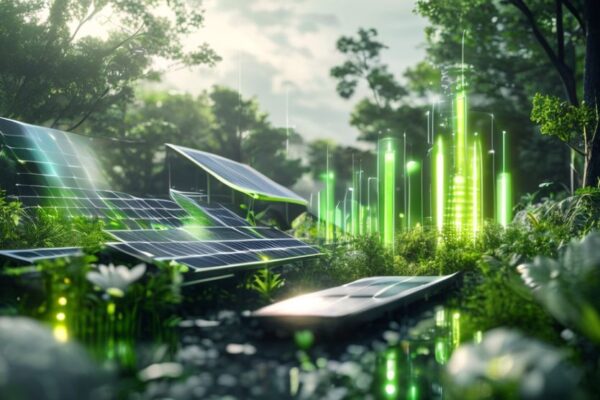
Plug-in solar panels offer an accessible way to cut electricity bills by 10-30%. Designed for easy installation, these systems connect directly to household outlets, converting solar energy into usable AC electricity. Future AI integration promises further optimization by managing appliance usage and maximizing savings.

Plug-In Solar Panels: An Economical and Technical Guide for Modern Homes
Why this Matters: As energy costs continue to rise and the urgency for sustainable solutions grows, I’ve been closely observing innovative technologies that empower consumers to take control of their energy consumption. Small plug-in solar panels represent a significant shift, offering an accessible and affordable way for individuals, including renters and homeowners, to reduce their electricity bills and their carbon footprint. My experience in systems engineering highlights the elegance of simple, effective solutions, and these plug-in systems embody that principle. They are gaining traction as states confront rising energy costs, with many considering legislation to support these small solar energy systems that can plug directly into home outlets. This trend is a positive indicator of a more decentralized and consumer-friendly energy future.
Technical Analysis & ROI
Plug-in solar panels, often referred to as “balcony solar” or “plug-and-play” solar, are designed for easy installation and direct connection to a standard household electrical outlet. Unlike traditional rooftop solar installations that require extensive wiring and professional setup, these units are typically composed of one or more solar panels connected to a microinverter, which converts the direct current (DC) electricity generated by the panels into alternating current (AC) electricity usable by your home appliances. The primary economic benefit is a direct reduction in your monthly electricity costs. Most balcony solar installations can achieve a 10-30% reduction in monthly electricity costs. For instance, a 400W system in a sunny location can contribute significantly to offsetting your energy usage. The technical advantage lies in their simplicity and scalability; you can start with one unit and add more as your needs and budget allow. This approach reduces reliance on the grid and provides a tangible return on investment through lower utility bills. The technology is designed to be safe and easy to use, allowing consumers to safely, cheaply, and easily reduce a consumer’s electricity bill.
AI & Future Outlook (2026)
While plug-in solar systems are inherently simple, their future integration with advanced energy management systems, including AI, is promising. Imagine a smart home hub that monitors your plug-in solar production in real-time, alongside your overall energy consumption. AI algorithms could then optimize the use of solar energy, perhaps by intelligently scheduling appliance usage to coincide with peak solar generation, further maximizing savings. This could lead to more sophisticated energy arbitrage, where excess solar power is managed more effectively. The momentum behind these systems suggests a future where distributed energy generation is seamlessly integrated into our daily lives, with AI playing a crucial role in optimizing efficiency and cost-effectiveness.
| Feature | Traditional Wasteful Way | Smart Sustainable Way |
|---|---|---|
| Energy Bill Impact | Full reliance on grid pricing, leading to high monthly costs. | Achieves 10-30% reduction in monthly electricity costs. |
| Installation Complexity | Requires professional installers, permits, and significant structural modifications. | Simple DIY installation, plugs into a standard outlet, safely, cheaply, and easily. |
| Accessibility | Limited to homeowners with suitable roof space and financial capacity for large upfront investment. | Accessible to renters and homeowners, renters and homeowners alike. |
| Environmental Footprint | Continued reliance on fossil fuel-based grid electricity. | Reduces reliance on the grid and lowers carbon emissions. |
| Scalability | Large upfront commitment, difficult to adjust system size. | Can start small and expand by adding more panels as needed. |
Frequently Asked Questions
A: Most balcony solar installations achieve a 10-30% reduction in monthly electricity costs. The exact savings depend on factors like the size of your system, your electricity consumption, and the amount of sunlight your panels receive.
A: The installation is designed to be very straightforward. These systems can safely, cheaply, and easily reduce a consumer’s electricity bill. They typically involve mounting the panels and plugging them into a standard household outlet, making them a plug-and-play solution.
Conclusion
For individuals seeking an economical and technically sound way to reduce their energy bills and embrace renewable energy, plug-in solar panels are an increasingly attractive option. Their ease of installation, affordability, and direct impact on electricity costs make them a compelling investment. As more states consider legislation to support these systems, their momentum is set to continue, offering a practical path towards greater energy independence and sustainability for a wider range of consumers. From my perspective as an expert systems engineer, the simplicity and effectiveness of this technology are its greatest strengths, making it a wise choice for those looking to make a tangible difference in their energy consumption and costs.
References
Data cited from:
PBS NewsHour,
American Solar Energy Society (ASES),
SolarTechOnline,
Solar Rights Alliance,
Politico Pro.
Report Inaccuracy
We value accuracy. If you find any inaccurate information, please let us know.