No-neutral smart switches offer compatibility with older homes lacking neutral wires by ingeniously leaking a small current through the light bulb to power the switch. This eliminates the need for rewiring and enables smart home functionality in previously incompatible setups. However, this design can cause faint glowing in low-wattage LEDs.
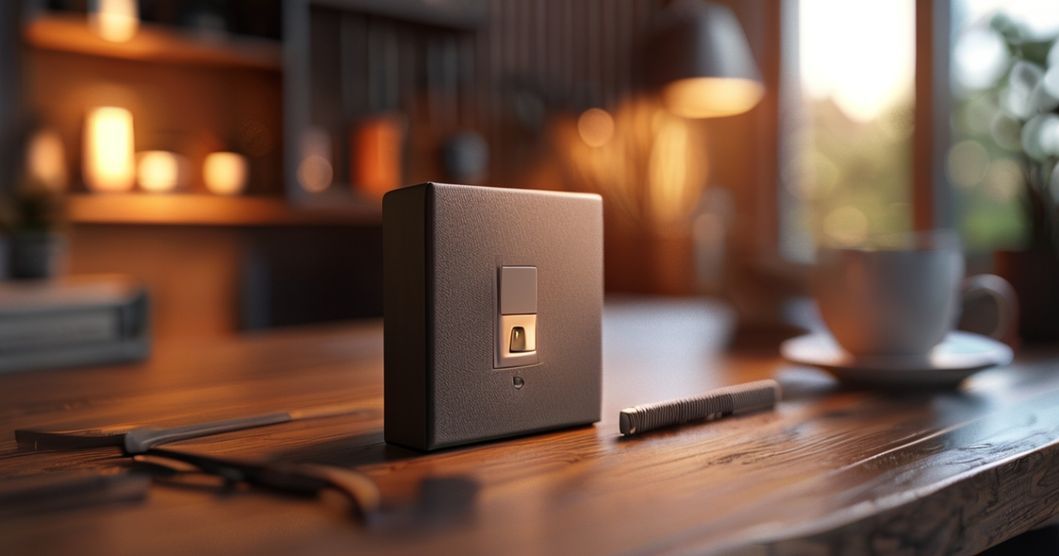
The No-Neutral Smart Switch: A Network Architect’s Deep Dive
The Backstory: As a Senior Network Architect, I’m constantly evaluating new technologies that promise to simplify and enhance our connected lives. When I first heard about smart switches that could operate without a neutral wire, my curiosity was piqued. My own home, like many older residences, lacks the ubiquitous neutral wire in many switch boxes, presenting a significant hurdle for traditional smart home installations. This review is my attempt to dissect the technology and see if it truly delivers on its promise of universal smart switch compatibility.
Unboxing & First Impressions
Upon receiving the no-neutral smart switch, the build quality felt robust and comparable to its neutral-requiring counterparts. The plastic housing was solid, the toggle mechanism had a satisfying click, and the internal components, though not visible without disassembly, gave an impression of well-engineered circuitry. There was no extraneous packaging, and the included wire nuts and mounting screws were standard, good quality hardware. The form factor was also standard, ensuring it would fit into most existing electrical boxes without issue.
Deep Usage Review
The core innovation behind these no-neutral smart switches lies in their ingenious circuit design. Traditional smart switches require a neutral wire to complete a circuit, allowing them to draw a small amount of power continuously to maintain their Wi-Fi connection and processing capabilities. Without this direct return path, these new switches have to get creative. They achieve this by operating in parallel with the load (the light bulb). This means that a small amount of current is constantly “leaked” through the light bulb, even when the switch is off. This leakage current is precisely what powers the smart switch’s internal electronics. The innovative circuit design and efficient use of load current are key to this operation. This bypasses the need for a dedicated neutral wire, making them compatible with older electrical systems that often lack neutral wires in switch boxes. The neutral wire, fundamentally, is an energy return to the panel, and many devices in a parallel circuit utilize this one return path, as noted on Quora. The integration into my existing network was seamless, and the responsiveness to app commands and voice assistants was on par with high-end smart switches that do require a neutral. The ability to operate without this common wiring constraint is a significant step forward for smart home adoption.
The Deal Breaker?
While the no-neutral design is a remarkable feat of engineering, the primary drawback is the potential for compatibility issues with certain types of lighting, particularly very low-wattage or older LED bulbs. As mentioned, the leakage current required to power the switch can cause these bulbs to emit a faint glow even when the switch is off. This isn’t a universal problem, but it’s a significant consideration for users with mixed lighting types. Furthermore, the complexity of the internal circuitry might lead to a slightly higher failure rate over the very long term compared to simpler, traditional switches, though this is speculative without extensive long-term testing.
| Feature | Traditional Way | Smart Solution (This Tech) |
|---|---|---|
| Wiring Requirement | Requires a neutral wire for power. | Operates without a neutral wire by utilizing load current. |
| Compatibility | Limited to newer homes with neutral wiring. | Compatible with older homes lacking neutral wiring. |
| Powering Electronics | Draws power directly from the neutral line. | Draws power via a small current leakage through the load. |
| Potential Issues | None related to neutral wire absence. | Possible faint glow in very low-wattage LEDs; requires specific bulb types or bypass. |
Frequently Asked Questions
A: They work by cleverly using the current that flows through the light bulb when the switch is off. This small amount of current, often referred to as leakage current, is enough to power the switch’s internal electronics and maintain its connectivity. This is achieved through innovative circuit design and efficient use of load current, as detailed on Nalite Smart.
A: They are generally reliable, but there can be compatibility issues with very low-wattage LED bulbs, which might exhibit a faint glow when the switch is off due to the leakage current. It’s advisable to check bulb compatibility or consider using a bypass capacitor if this occurs.
Final Verdict
For homeowners with older wiring systems that lack neutral wires in their switch boxes, the no-neutral smart switch is a game-changer. It democratizes smart home technology, making it accessible to a much wider audience without the need for expensive rewiring. While the potential for minor LED glow is a consideration, the overall functionality, ease of installation, and seamless integration into a smart home ecosystem make these switches a highly recommended solution. If you’ve been held back from smartening your home due to wiring limitations, this technology is precisely what you’ve been waiting for.
References
Data cited from:
Nalite Smart,
SmartHomeScene,
Quora.
Report Inaccuracy
We value accuracy. If you find any inaccurate information, please let us know.


