A robust network architecture is crucial for smart surveillance systems. Overlooking network infrastructure leads to performance bottlenecks as high-resolution cameras with AI capabilities demand significant bandwidth and low latency. Prioritizing network design ensures reliable video transmission and prevents security vulnerabilities.
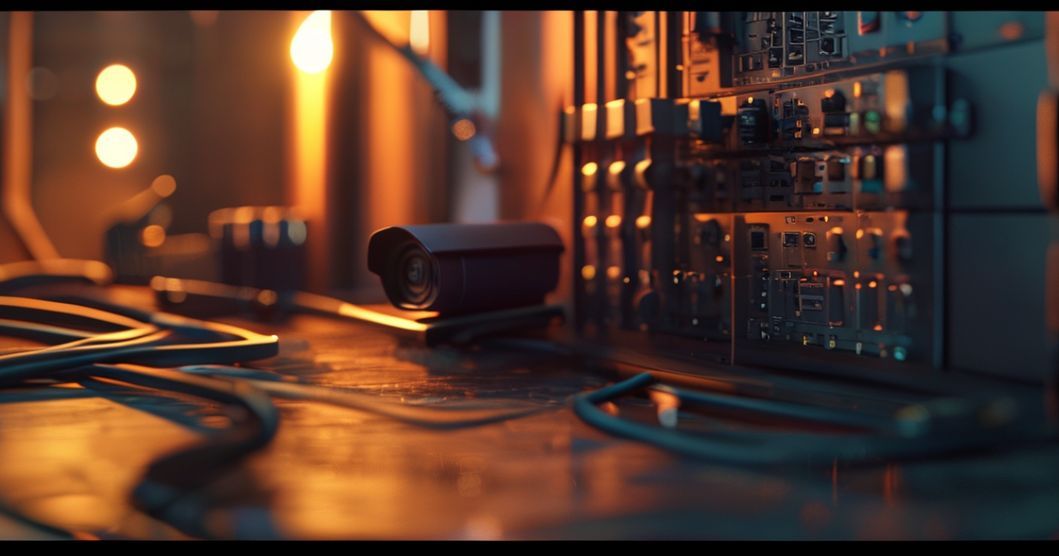
The Network Backbone of Modern Surveillance: A Deep Dive
The Backstory: As a Senior Network Architect, I’ve seen firsthand how cutting-edge technology can falter due to overlooked foundational elements. My recent projects have increasingly involved advanced video surveillance systems, and I’ve consistently encountered a recurring bottleneck: the network. It’s not just about having cameras; it’s about ensuring the infrastructure supporting them is robust enough to handle the immense data streams they generate. This review is born from that experience, aiming to illuminate the critical role of network design in the success of modern surveillance.
Unboxing & First Impressions
While there’s no single “product” to unbox in the traditional sense, the “product” here is the Network Infrastructure itself. My first impressions are always about the design documents, the cabling plans, and the switch configurations. A well-designed network feels solid, predictable, and scalable. Conversely, a poorly planned one feels chaotic, with constant troubleshooting and performance issues. The “feel” of a network is in its stability and its ability to seamlessly handle traffic, especially the constant and unforgiving nature of video data.
Deep Usage Review
The evolution of Security Cameras is rapidly transforming them into sophisticated computing devices, often incorporating AI and advanced analytics. This shift, as highlighted by Security Solutions Media, means they’re not just passive data collectors anymore. However, this increased intelligence places an enormous burden on the underlying network. Video is inherently heavy, and with the advent of higher resolutions like 8K security cameras, the data volume explodes. Even traditional systems can struggle with bandwidth and storage limitations, let alone the demands of ultra-high definition video, as noted by Axis. The network is the critical pathway for this data. If bandwidth is tight or latency is high, cameras will inevitably fail, as explained by Network Thinking. Furthermore, attackers often exploit cameras not for their footage, but for the network access they provide, making robust network security paramount. The potential for security cameras to negatively impact Wi-Fi performance is also a significant concern, with the real bandwidth breakdown needing careful consideration, as discussed by Cal.net.
The Deal Breaker?
The most significant flaw I consistently encounter is the underestimation of network requirements. Organizations often invest heavily in high-end cameras and sophisticated VMS (Video Management Software) but neglect to adequately provision their network. This leads to dropped frames, pixelation, delayed alerts, and ultimately, a system that fails to deliver on its security promise. The network is the silent, often overlooked, component that can render even the most advanced surveillance hardware useless.
| Feature | Traditional Way | Smart Solution (Network-Centric Surveillance) |
|---|---|---|
| Bandwidth Management | Often an afterthought, leading to congestion and dropped streams. | Proactive QoS (Quality of Service) configuration, dedicated VLANs, and sufficient uplink capacity to handle high-resolution video. |
| Latency | Variable and unpredictable, impacting real-time monitoring and alerts. | Optimized network paths, minimal hops, and high-speed switching to ensure low, consistent latency. |
| Scalability | Difficult and costly to upgrade as camera count or resolution increases. | Designed with future growth in mind, utilizing modular network components and ample headroom. |
| Security | Cameras can become entry points for attackers if network segmentation is poor. | Strict network segmentation (VLANs), strong authentication, and regular security patching of network devices. |
| Reliability | Prone to failure due to network bottlenecks or instability. | Redundant network paths, robust hardware, and continuous monitoring to ensure uptime. |
Frequently Asked Questions
A: While exact figures vary by compression and frame rate, 8K security cameras generate significantly more data than their predecessors. Expect demands in the hundreds of Mbps per camera, potentially exceeding 1 Gbps for continuous, high-frame-rate recording, which necessitates robust network infrastructure.
A: Yes, absolutely. If security cameras are using the same Wi-Fi network as other devices without proper bandwidth management or QoS, they can consume a disproportionate amount of bandwidth, leading to slower speeds for other users and devices, as highlighted by Cal.net. Wired connections are generally preferred for surveillance devices for stability and performance.
Final Verdict
The network infrastructure is not merely a supporting element for modern surveillance systems; it is the very foundation upon which their effectiveness is built. For organizations looking to implement or upgrade their video surveillance, prioritizing network design, capacity, and security is paramount. Investing in a robust, scalable, and secure network will ensure that your cameras, regardless of their resolution or AI capabilities, can perform optimally and provide the reliable security you expect. Without a strong network backbone, even the most advanced cameras are just expensive, underperforming gadgets.
References
Data cited from:
Network Thinking,
Reolink,
Security Solutions Media,
Axis,
Cal.net.
Report Inaccuracy
We value accuracy. If you find any inaccurate information, please let us know.