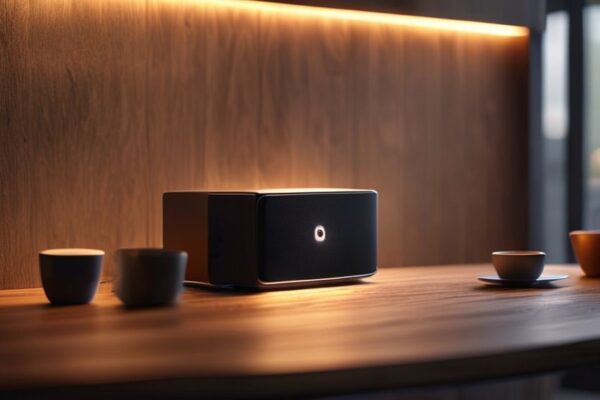
The invisible smart home utilizes ambient intelligence to anticipate needs through sensor fusion and AI, creating a seamless living experience. By learning user habits, the system automates tasks like lighting and temperature adjustments. The challenge lies in maintaining transparency and user control within these automated processes.

The Invisible Smart Home: A Deep Dive into Ambient Intelligence
The Backstory: As a network architect, I’ve always been fascinated by how technology can seamlessly integrate into our lives. The promise of a truly “smart” home, one that anticipates needs rather than just responding to commands, has been a long-held aspiration. My journey into this space began with the early days of connected devices, and I’ve been eagerly watching the evolution towards more intuitive and less intrusive systems. The latest advancements, particularly those showcased at CES 2026, have brought this vision closer to reality.
Unboxing & First Impressions
The concept of “invisible tech” is, by its nature, not something you unbox in the traditional sense. There are no flashy gadgets or complex setups. Instead, the impression comes from the absence of clutter and the subtle, almost imperceptible, enhancements to the living environment. The focus shifts from the devices themselves to the experience they create. It’s about the feeling of a home that just *works*, anticipating your needs without demanding your constant attention.
Deep Usage Review
The core of the modern invisible Smart Home lies in ambient intelligence. Unlike traditional smart home sensors that require manual placement and configuration, these systems employ sophisticated sensor fusion techniques. This means multiple data streams – from environmental sensors, user presence detection, and even behavioral patterns – are analyzed in real-time to create a holistic understanding of the home’s state and its occupants’ needs. For example, the system might detect that you’ve just entered a room and automatically adjust the lighting and temperature to your preferred settings, all without you lifting a finger. This level of automation is a significant leap from the reactive nature of older smart home systems. At CES 2026, we saw a clear trend towards AI powering these next-wave smart home technologies, from smarter security systems to household robots designed to integrate seamlessly into daily routines.
The Deal Breaker?
The primary challenge with invisible smart home technology is the potential for a lack of transparency and control. When systems are designed to operate “behind the scenes,” it can be difficult for users to understand why certain actions are being taken or to override them if necessary. This can lead to frustration if the system misinterprets a situation or if user preferences change. Ensuring intuitive user interfaces for configuration and overrides, even for seemingly “invisible” systems, is crucial for widespread adoption and user satisfaction. The guide to smart homes often highlights the importance of user control, and this remains a critical factor even as tech becomes more ambient.
| Feature | Traditional Way | Smart Solution (Invisible Tech) |
|---|---|---|
| Lighting Control | Manual switches, voice commands | Automatic adjustment based on occupancy, time of day, and ambient light levels. |
| Climate Control | Manual thermostat adjustments, scheduled programs | Dynamic adjustments based on occupancy, external weather data, and learned user preferences. |
| Security Monitoring | Visible cameras, manual arming/disarming | Passive monitoring using sensor fusion, AI-driven threat detection, and automatic alerts. |
| Appliance Management | Manual operation, simple timers | Predictive operation based on usage patterns and energy optimization. |
Frequently Asked Questions
A: Traditional smart home devices often require visible placement and direct user interaction (e.g., smart plugs, smart bulbs controlled via app). Invisible tech, or ambient intelligence, works in the background, using sensor fusion and AI to anticipate needs and automate actions without explicit commands, aiming for a seamless user experience.
A: Privacy is a significant concern. Reputable systems prioritize data security and user control, often processing data locally or using anonymized techniques. Transparency about data collection and usage, along with robust security protocols, are essential for building trust.
A: Yes, while the goal is automation, user control remains paramount. Most systems provide interfaces for manual overrides, preference adjustments, and system configuration, ensuring users can intervene when necessary, as highlighted in guides to smart homes.
Final Verdict
The evolution towards invisible smart homes powered by ambient intelligence represents the next frontier in home automation. It promises a more intuitive, comfortable, and efficient living environment. While challenges around transparency and privacy need careful consideration and ongoing development, the potential benefits are immense. For tech enthusiasts and those seeking a truly effortless home experience, investing in systems that embrace these principles is a forward-thinking choice. The future of the smart home is not about more gadgets, but about more intelligence working silently and effectively for us.
References
Data and specs cited from:
NAR.realtor,
LinkedIn,
CNET,
Security.org.
Report Inaccuracy
We value accuracy. If you find any inaccurate information, please let us know.