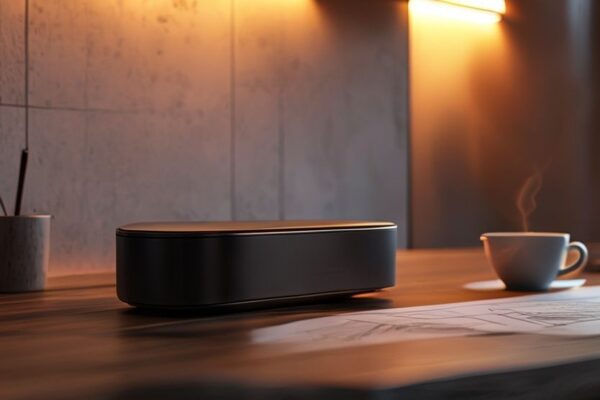
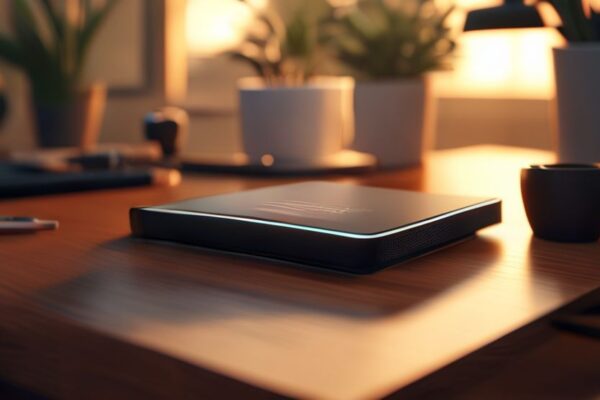
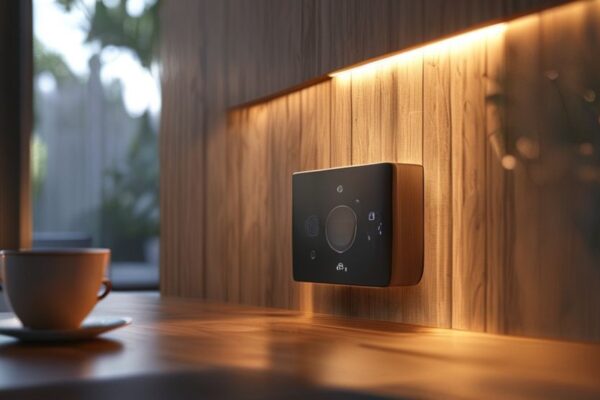
Circadian lighting systems in 2026 offer smart illumination by mimicking natural light cycles to optimize well-being. These systems, integrated into smart homes, adjust color temperature throughout the day, promoting alertness in the morning and relaxation in the evening. The goal is to improve sleep and overall health through personalized lighting environments.
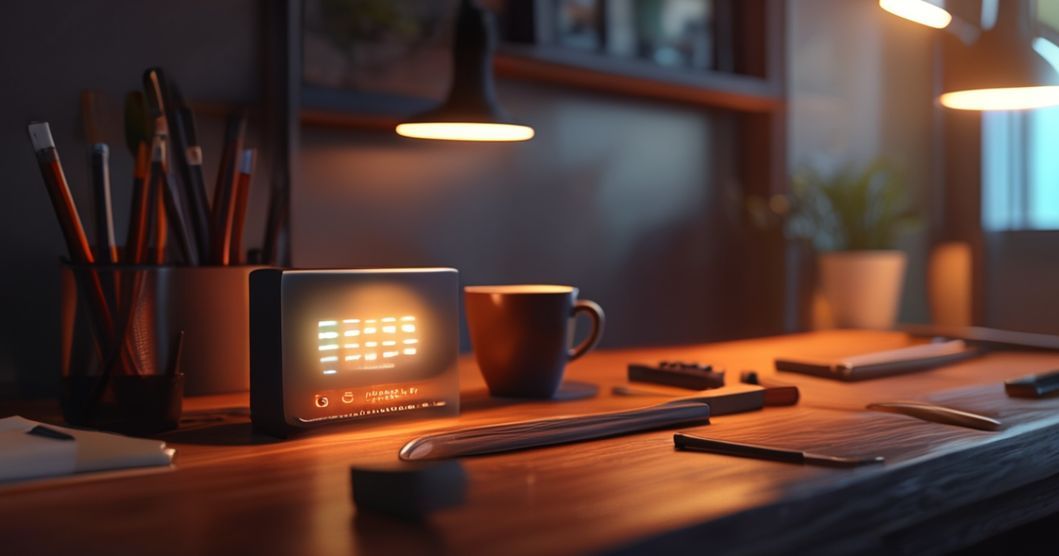
Circadian Lighting Systems: A Deep Dive into 2026’s Smart Illumination
The Backstory: As a network architect, I’m always looking for ways to optimize environments for productivity and well-being. The concept of circadian lighting, which aims to mimic natural light cycles, has always intrigued me. With the advancements in smart home technology and a growing body of research, I decided it was time to thoroughly investigate the current state and future potential of these systems, especially with the latest developments emerging in 2026.
Unboxing & First Impressions
While there isn’t a single “product” to unbox in the traditional sense, my initial impressions stem from the integration of these systems into smart home ecosystems. The hardware itself, typically smart bulbs, fixtures, or control hubs, feels robust and well-engineered. The setup process, however, can vary significantly depending on the manufacturer and the complexity of the desired lighting scene. Some systems offer a remarkably intuitive setup, while others require a more technical approach to programming schedules and color temperatures.
Deep Usage Review
The core promise of circadian lighting is its ability to positively influence our biological clocks. Morning light exposure, ideally outdoors, is crucial for anchoring your internal clock and improving nighttime melatonin release. Systems designed with this in mind leverage spectral tuning to deliver cooler, bluer light in the morning, promoting alertness. As the day progresses, the light temperature shifts to warmer tones, preparing the body for rest. This is particularly impactful in modern living spaces, such as the tropical open-plan living environments highlighted in recent designs. The impact on sleep is significant; by dimming lights in the evening, these systems can help you fall and stay asleep later on. Furthermore, studies are exploring how circadian-informed lighting can improve vigilance and sleep quality, even during simulated night shifts. On most operating systems, users can find built-in features like ‘Night Light’ or ‘Eye Comfort Shield’ in display settings, offering a basic level of blue light filtering. For example, on Android, you navigate through Settings → Display → Night Light or Eye Comfort Shield. Windows offers a similar function under Settings → Display → Night light, allowing for scheduling or manual adjustment. Mac users also have similar functionalities within their display preferences.
The Deal Breaker?
The most significant hurdle for widespread adoption remains the cost and complexity of full system integration. While individual smart bulbs are becoming more affordable, creating a comprehensive circadian lighting network throughout an entire home can be a substantial investment. Furthermore, the reliance on Wi-Fi and app-based control means that network stability and user-friendliness of the companion apps are paramount. A poorly designed app or an unstable network can quickly turn a sophisticated lighting system into a frustrating experience.
| Feature | Traditional Way | Smart Solution |
|---|---|---|
| Light Cycle Mimicry | Relies on natural daylight and manual adjustments. | Automated spectral tuning and intensity changes throughout the day. |
| Sleep Quality | Exposure to artificial light, especially blue light, can disrupt melatonin production. | Reduces blue light exposure in the evening, promoting better melatonin release and sleep. |
| Energy Efficiency | Standard incandescent or LED bulbs. | LED-based systems are inherently energy-efficient, with smart controls optimizing usage. |
| Control & Customization | Manual switches and dimmers. | App-controlled scheduling, scene creation, voice commands, and integration with other smart devices. |
Frequently Asked Questions
A: Yes, to a certain extent. Individual smart bulbs can be programmed to change color temperature and brightness throughout the day. However, for a truly integrated and seamless experience that accounts for room occupancy and ambient light, a more comprehensive system with a central hub or advanced controls is recommended.
A: Morning light exposure, particularly natural daylight, is critical for setting your internal clock. It signals to your body that it’s time to wake up, boosts alertness, and helps regulate your sleep-wake cycle. Circadian lighting systems aim to replicate this effect indoors with cooler, brighter light in the morning, as detailed in resources like understanding light at night.
Final Verdict
Circadian lighting systems represent a significant leap forward in how we interact with our built environments. For those seeking to optimize their sleep, improve their mood, and enhance their overall well-being, the investment is well worth considering. While the initial cost and setup can be a barrier, the long-term benefits for health and productivity are undeniable. As the technology matures and becomes more accessible, I anticipate these intelligent illumination solutions will become a standard feature in modern homes and workplaces.
References
Data and specs cited from:
Hatch.co,
Azula Designs,
EnergyBS,
Dagsmejan,
Academic.oup.com (Sleep Journal).
Report Inaccuracy
We value accuracy. If you find any inaccurate information, please let us know.