In 2026, smart homes offer seamless integration and intelligent automation thanks to advancements in Wi-Fi 7, Thread, and AI. Devices communicate natively, reducing reliance on the cloud and improving response times. Control panels provide a unified interface, enabling predictive automation for a more efficient and sustainable lifestyle.
The Evolving Smart Home: A 2026 Network Architect’s Perspective
The Backstory: As a Senior Network Architect, my home has always been a testbed for emerging technologies. For years, I’ve been meticulously building out my smart home, always looking for ways to streamline operations and enhance efficiency. With the rapid advancements I’ve seen, particularly heading into 2026, I felt it was time to take a comprehensive look at how to truly supercharge a smart home, moving beyond basic automation to a more integrated and intelligent ecosystem.
Unboxing & First Impressions
While there isn’t a single “product” to unbox in the traditional sense for the smart home as a whole, the experience of integrating new devices in 2026 is remarkably polished. Devices feel more robust, with premium materials and a focus on aesthetics that allows them to blend seamlessly into home decor. The initial setup is often a matter of minutes, with intuitive mobile apps guiding the process. The weight and feel of smart locks, thermostats, and even smart plugs suggest a higher build quality than in previous years.
Deep Usage Review
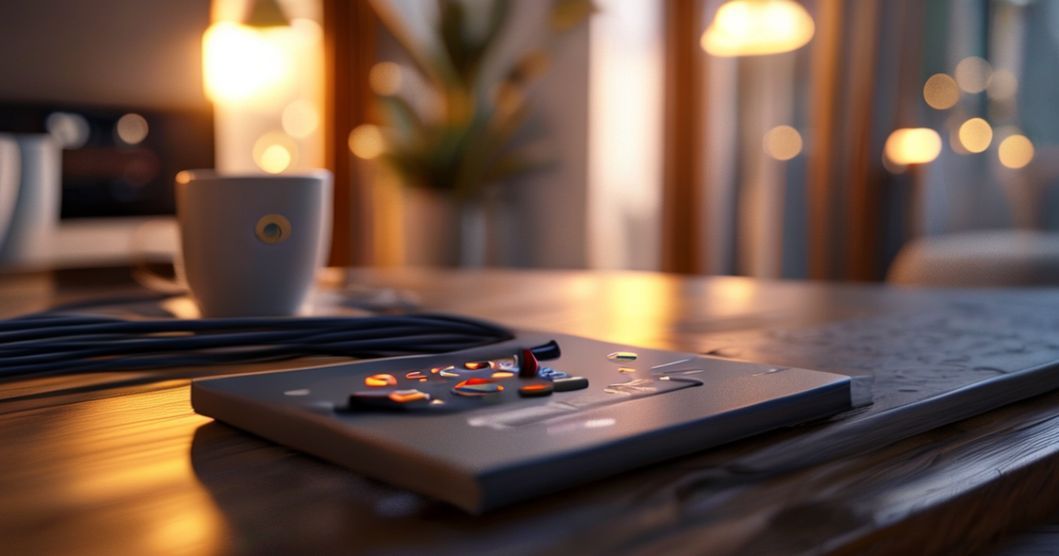
The smart home of 2026 is less about individual gadgets and more about a cohesive network. The underlying infrastructure, particularly Wi-Fi 7 and Thread, is crucial for the performance and reliability of these systems. We’re seeing a significant shift towards devices that communicate natively using these protocols, reducing reliance on cloud intermediaries and improving local processing capabilities. This means faster response times for commands and greater resilience during internet outages. The integration of AI is also becoming more sophisticated, moving beyond simple voice commands to predictive automation. For instance, smart thermostats now learn occupancy patterns and adjust climate control proactively, contributing to a healthier and more sustainable lifestyle. Control panels have evolved into sophisticated hubs, offering a unified interface for managing hundreds of devices. These top 10 smart home control panels of 2026 are essential for managing the complexity. The emphasis is on true automation, where the home anticipates needs rather than just reacting to them. Brands are increasingly labeling features as “AI,” but it’s important to discern genuine intelligence from marketing buzzwords, as noted in CES 2026 predictions. The goal is to truly automate your life.
The Deal Breaker?
The most persistent annoyance remains the fragmentation of ecosystems and the occasional “walled garden” approach. While standards are improving, there are still instances where a device from one manufacturer won’t fully integrate with a hub or ecosystem from another, forcing users to make difficult choices or invest in multiple, redundant systems. This can lead to a less unified and more frustrating user experience than the marketing promises.
| Feature | Traditional Way | Smart Solution (This Tech) |
|---|---|---|
| Lighting Control | Manually flipping light switches | Voice commands, motion sensors, scheduled routines, ambient light sensing. |
| Climate Control | Manually adjusting thermostats | Smart thermostats learning schedules, remote control via app, occupancy detection, energy optimization. |
| Home Security | Traditional locks and alarm systems | Smart locks with remote access, integrated security cameras with AI detection, smart sensors for doors/windows, automated alerts. |
| Energy Management | Manual monitoring of utility bills | Smart plugs and devices reporting energy consumption, automated power-saving modes, integration with solar panels and battery storage. |
Frequently Asked Questions
A: The cost varies significantly depending on the scale of automation desired. However, with hundreds of tested smart home products available across many categories, as highlighted by The Best Smart Home Devices We’ve Tested for 2026, a phased approach can make it manageable. Starting with core devices like a smart thermostat, smart locks, and a robust network infrastructure is a good initial investment.
A: AI is increasingly being integrated, but its sophistication varies. True AI in smart homes goes beyond voice recognition to predictive analytics, learning user behavior, and making autonomous decisions to optimize comfort, security, and energy efficiency. It’s important to look for devices and systems that demonstrate genuine learning capabilities rather than just superficial “smart” features, as cautioned by CES 2026 predictions.
Final Verdict
The smart home in 2026 is a powerful, integrated system that offers unparalleled convenience, efficiency, and security. For those looking to truly supercharge their living spaces, investing in a robust network infrastructure, prioritizing devices with strong interoperability (especially those supporting Thread), and embracing AI-driven automation is key. While ecosystem fragmentation remains a challenge, the benefits of a well-architected smart home far outweigh the drawbacks. It’s no longer a luxury but a significant upgrade to the modern living experience, making homes healthier, more sustainable, and truly intelligent.
References
Data cited from:
Forbes,
PCMag,
Portworld Solutions,
Midwest Design Magazine,
CNET.
Report Inaccuracy
We value accuracy. If you find any inaccurate information, please let us know.