As of 2026, security camera legality allows recording in public spaces and on your property, but hidden cameras are often restricted. Modern cameras offer AI-powered analytics for distinguishing between people, pets, and vehicles, reducing false alerts. However, network strain and remaining false positives are key considerations for users.
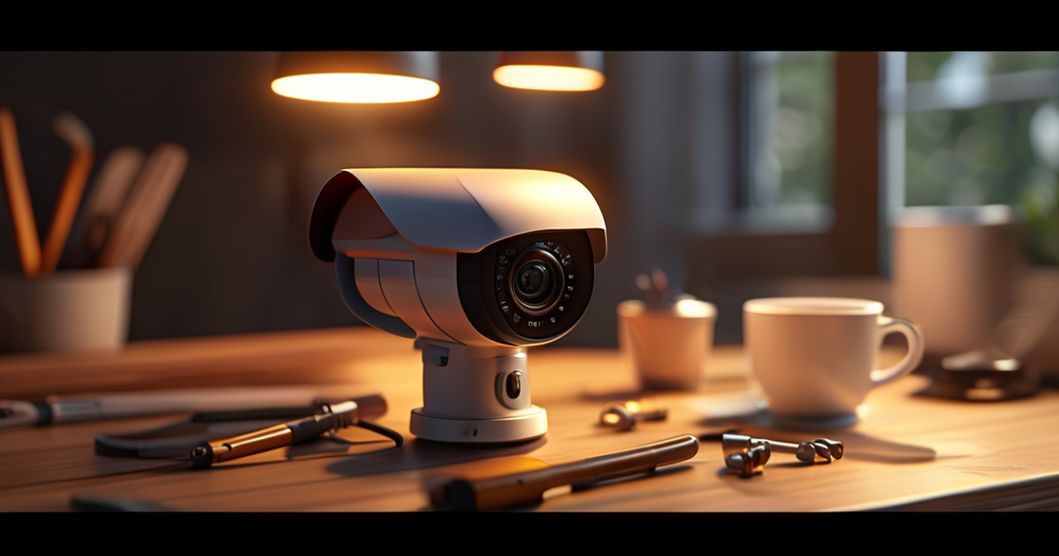
The 2026 Security Camera Landscape: A Network Architect’s Deep Dive
The Backstory: As a network architect, I’m constantly evaluating how technology integrates into our daily lives, particularly concerning security and privacy. The proliferation of smart home devices, especially Security Cameras, has been a significant trend. This review focuses on the current state of security camera legality and functionality as we head into 2026, an area that often causes confusion for consumers.
Unboxing & First Impressions
While this review isn’t about a single product, the general impression of modern security cameras is one of sleek design and increasing miniaturization. The build quality typically feels robust, with weather-resistant casings designed for outdoor deployment. The ease of setup, often involving simple Wi-Fi pairing and app configuration, has become a standard feature, making advanced surveillance accessible to the average homeowner.
Deep Usage Review
From a technical standpoint, the evolution of security cameras has been remarkable. We’ve moved beyond simple motion detection to sophisticated AI-powered analytics capable of distinguishing between people, pets, and vehicles. This intelligence is crucial for reducing false alerts and providing more actionable insights. The legality surrounding their use is a complex but vital aspect. Generally, it’s legal to record video in public spaces, and this extends to your own property, including driveways and streets visible from your home. However, many states have laws about hidden cameras, emphasizing the importance of transparency. Homeowners have the right to legally record video themselves, whether from their property or public vantage points. Compliance with privacy laws regarding security cameras in the USA is paramount, covering legal placement and recording rules. Devices like video doorbells have become ubiquitous, offering targeted front-door security for package monitoring and deterring porch pirates.
The Deal Breaker?
The most significant challenge remains the constant battle against false positives, even with advanced AI. While significantly improved, a sudden gust of wind rustling leaves or a passing car can still trigger an alert, leading to notification fatigue. This necessitates careful placement and sensitivity adjustments, which can be time-consuming.
| Feature | Traditional Way | Smart Solution |
|---|---|---|
| Surveillance | Manual monitoring of CCTV feeds | AI-driven alerts for specific events (people, vehicles) |
| Remote Access | Limited to local network or complex VPN setups | Easy mobile app access from anywhere |
| Recording | Local DVR/NVR, often requiring physical access | Cloud storage options, local SD cards, or hybrid solutions |
| Integration | Standalone systems | Integration with smart home ecosystems (e.g., Alexa, Google Home) |
Frequently Asked Questions
A: Audio recording laws vary significantly by state and are often more restrictive than video recording. In many jurisdictions, it is illegal to record audio conversations without the consent of all parties involved. Always consult local laws before enabling audio recording.
A: While you can record public areas visible from your property, intentionally pointing cameras directly at private areas of your neighbor’s property (like their backyard or windows) can lead to invasion of privacy claims. It’s best to focus surveillance on your own property and areas of legitimate concern.
Final Verdict
Security cameras in 2026 offer an unparalleled level of home and business protection, with advancements in AI and connectivity making them more effective and accessible than ever. While the legal landscape requires careful navigation, understanding the general principles of privacy and public recording allows for compliant and beneficial deployment. For homeowners and businesses seeking enhanced security and peace of mind, investing in a well-placed and legally compliant security camera system is a sound decision. The key is to balance the desire for comprehensive surveillance with respect for privacy and adherence to regulations.
References
Data and specs cited from:
NerdWallet,
Security.org,
SafeWise,
Backstreet Surveillance,
CNET.
Report Inaccuracy
We value accuracy. If you find any inaccurate information, please let us know.